
How Myopia Control Helps Kids Get Ready for the New School Year
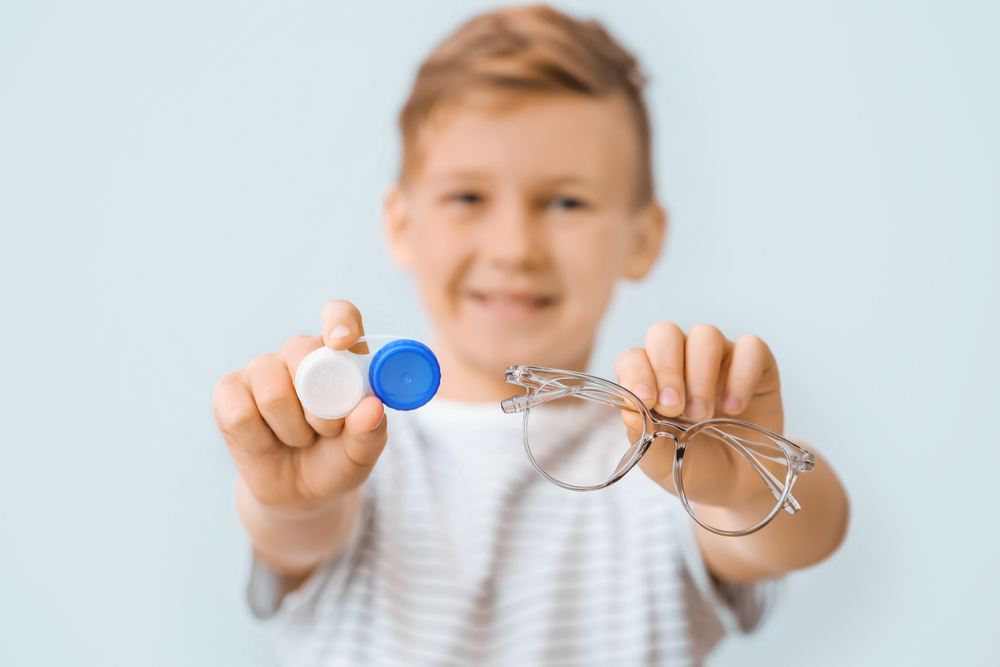
As families prepare for a new school year, shopping for supplies and adjusting daily routines often take priority. However, clear vision is just as important for classroom readiness. Children with myopia may struggle to see the board, recognize information from across the room, or participate confidently in sports and other school activities. Myopia control offers more than clearer distance vision. It is designed to slow the progression of nearsightedness as a child’s eyes continue to grow.
Start With a Pediatric Eye Exam
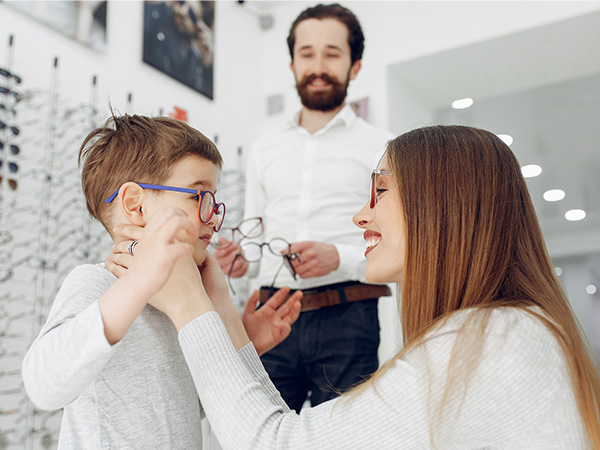
A pediatric eye exam provides a clearer picture of a child’s vision than a basic school screening. Even children who pass a screening may have vision concerns that require professional evaluation.
During an eye exam, Dr. Zardo evaluates visual clarity, eye coordination, focusing ability, prescription changes, and overall eye health. Parents should consider scheduling an exam if their child frequently squints, sits close to screens, holds books near their face, complains of headaches, or has difficulty seeing distant objects.
Why Controlling Myopia Matters
Standard glasses and contact lenses correct blurry vision, but they do not necessarily address the continued progression of myopia. Myopia control uses specialized treatment options to help slow prescription changes and excessive eye growth.
Keeping myopia at a lower level may also reduce the child’s future risk of eye health complications associated with higher levels of nearsightedness. Starting treatment while the eyes are still developing gives families an opportunity to manage myopia proactively rather than repeatedly updating stronger prescriptions.
Signs Your Child May Need Myopia Control
Parents should watch for changes that become noticeable during homework, sports, or classroom activities, including:
• Squinting to see signs, screens, or the classroom board
• Moving closer to the television or computer
• Holding books and devices unusually close
• Complaining about blurry distance vision
• Experiencing frequent headaches or tired eyes
• Needing stronger prescriptions at regular eye exams
These symptoms do not automatically mean that a child needs myopia control, but they are good reasons to schedule a pediatric eye exam.
Stellest Lenses for Myopia Control
Essilor Stellest lenses are specialized eyeglass lenses that correct nearsightedness while helping slow myopia progression. They provide a clear central viewing area surrounded by lenslets that create a myopia-control effect.
Stellest lenses received FDA marketing authorization for eligible children ages 6 to 12 at the start of treatment. They may be a practical choice for younger children or those who prefer glasses instead of contact lenses.
MiSight 1 Day Contact Lenses
MiSight 1 day contact lenses are soft daily disposable lenses designed to correct distance vision while slowing myopia progression in eligible children. They are FDA approved for children who are 8 to 12 years old when treatment begins and meet the appropriate prescription and eye health requirements.
Because each pair is discarded after use, MiSight lenses provide a convenient option for active children. They also offer freedom from glasses during sports, recess, and other school activities.
Prepare Before Classes Begin
Scheduling a pediatric eye exam before school starts allows time to evaluate prescription changes, discuss myopia control options, and help your child adjust to new glasses or contact lenses. The right plan depends on age, prescription, eye health, lifestyle, and how quickly the myopia is progressing.
Schedule a pediatric eye exam with Essential Optometric Care to explore personalized myopia control options for your child. Contact our office in Modesto, CA, by calling (209) 524-7870 to book an appointment.

© 2026 Essential Optometric Care. All rights Reserved. Accessibility Statement - Privacy Policy - Sitemap
Managed and Designed by: